

ONE-DAY VENEERS
A Smile,in a Day
Start in the morning and leave the same day with a smile that looks like your own.
ONE-DAY VENEERS
17 Years, 50,000 Veneers
Every veneer at LUCE is placed by one dentist: Dr. Lee Sang-young.
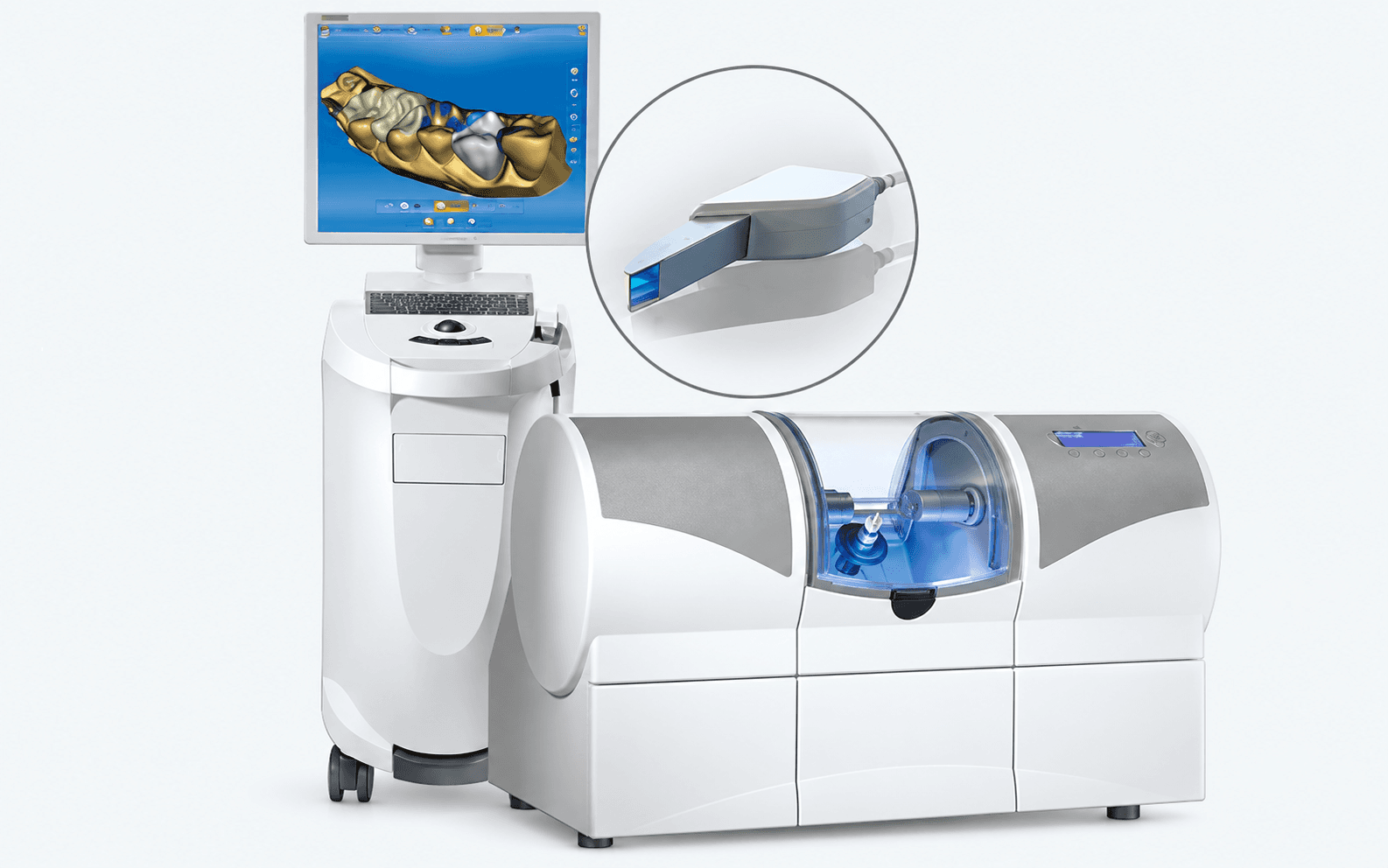
How we finish veneers in one day
We've used the CEREC CAD/CAM system from Dentsply Sirona (Germany) since the day we opened. Your teeth are scanned with a 3D camera, and the veneers are designed on screen.
The milling unit is connected right to that design, so nothing goes out to an outside lab. Veneers and all-ceramic crowns can be finished in about 3–4 hours.
Our in-house lab and technician are always on site, so shape and shade can be adjusted on the spot while you're here.
The equipment makes it fast. The result depends on the dentist — Dr. Lee designs every veneer himself, down to shade, thickness and surface texture.
Six steps, one day
- 1
One-on-one consultation
We look at your teeth and face shape together and talk through what you want to change.
- 2
Digital wax-up
Your new smile is designed digitally before any treatment begins.
- 3
No-prep or minimal prep
We leave the tooth untouched, or remove only a thin layer of enamel where needed.
- 4
Chairside design
Dr. Lee fine-tunes the design for you on screen.
- 5
Precision milling
The veneers are milled the same day and finished by hand.
- 6
Final bonding
The finished veneers are bonded in place.
One-day vs. conventional veneers
How they're made
- Typical lab-made veneers
- Impressions sent to an outside lab
- LUCE one-day veneers
- Digital scan → design → finished in-house
Temporary veneers
- Typical lab-made veneers
- Usually needed (1–2 weeks)
- LUCE one-day veneers
- Not needed
Treatment time
- Typical lab-made veneers
- About 1–2 weeks
- LUCE one-day veneers
- One day
Adjustments
- Typical lab-made veneers
- May need more lab time
- LUCE one-day veneers
- Made right here, the same day
A good fit if you:
- Can't easily make several trips to the dentist
- Feel anxious about dental treatment — IV sedation is available
- Have always been bothered by the color or shape of your teeth
- Want to smile with more confidence
NO-PREP VENEERS
No-Prep Veneers
A very thin ceramic shell, usually 0.1–0.3 mm, bonded to the tooth without drilling.

With no-prep veneers, we don't remove any tooth structure. The ceramic is bonded straight onto the existing surface, so your natural tooth is preserved.
Most patients don't need anesthesia, and there's usually little sensitivity afterward. Because nothing is removed, no-prep veneers can be taken off later.
They aren't right for every tooth, so we decide only after an exam.
01
Good candidates
Small teeth, gaps between the front teeth, or teeth that sit slightly inward — when you want a little more shape or a better color.
02
When it may not suit
Teeth that are already large or stick out can look bulky with something added on top, and very dark teeth are hard to cover with a thin shell.
03
Benefits
Your natural tooth is kept, anesthesia is rarely needed, and teeth tend to feel less sensitive after treatment.
MINIMAL-PREP VENEERS
Minimal-Prep Veneers
We typically remove about 0.3–0.5 mm of enamel, the outermost layer, before bonding
— less than traditional veneers, a little more than no-prep.

The amount of enamel removed depends on the size, alignment and position of your teeth and the shape and shade you want. We only touch the areas that need it, and stay within the enamel.
Planning starts with a digital scan (PRIMESCAN) and design on CEREC, so we can see how much space the new veneer needs before we remove anything.
Ceramic bonds best to enamel. Keeping as much enamel as possible helps the veneer stay firmly in place.
01
Good candidates
Teeth that protrude slightly or are already full-sized, or when you want to change color and shape together without extra bulk.
02
Benefits
Less impact on the tooth, strong bonding with a lower risk of debonding, a slimmer and more natural look, and darker teeth can be covered to some degree.
No-prep vs. minimal-prep
Local anesthesia
- No-prep veneers
- Usually not needed
- Minimal-prep veneers
- May be needed
Tooth reduction
- No-prep veneers
- None
- Minimal-prep veneers
- 0.3–0.5 mm, within enamel
Look
- No-prep veneers
- Can look thicker on some teeth
- Minimal-prep veneers
- More natural
Covering dark shades
- No-prep veneers
- Limited
- Minimal-prep veneers
- Better
Best for
- No-prep veneers
- Small teeth, gaps
- Minimal-prep veneers
- Protruding teeth, changing color and shape together
VENEER REVISION
Veneer Revision
Unnatural-looking, loose or chipped veneers — we start by finding out why, and draw on 17 years of experience to bring back a natural look.
When a veneer may need replacing
01
You're not happy with the design
The shape or color doesn't look the way you hoped.
02
Damage or fracture
The veneer has chipped, cracked or changed shape.
03
Gum problems
The gumline has darkened or become inflamed around the veneer.
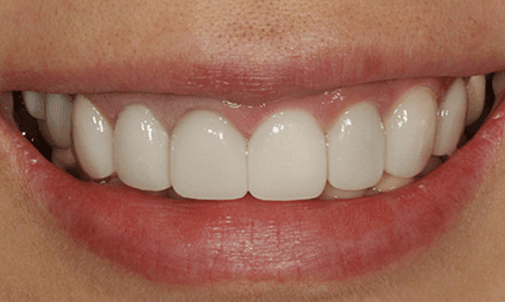
Redesigned, together, in a day
After a thorough re-consultation, revision can usually be completed in one day. We go over what you'd like to change and redesign the veneers with you.
Discolored teeth are covered with a masking layer before new veneers are made. If old metal-based crowns are showing through the gums, switching the material is often enough.
A chipped veneer can be rebuilt to match the teeth around it — we can redo the whole smile or treat only what's needed.
You see the final veneers before they're bonded, and we bond them only once you approve. Results and treatment time vary, and sensitivity, gum inflammation or bleeding can occur afterward.
Veneer FAQ
Q.Can veneers really be done in one day?
Yes, at a clinic that makes them in-house. We scan with PRIMESCAN and design, mill and bond with CEREC all on the same day — and every veneer we make is a one-day veneer.
Q.Is the quality the same as conventional veneers?
A shorter turnaround doesn't mean lower quality. The result depends more on the dentist's experience than on the machine, and Dr. Lee has designed and made veneers himself at the same location for 17 years.
Q.Can I have veneers done under IV sedation? Is it general anesthesia?
Yes, veneers can be done under sedation. It's conscious sedation, not general anesthesia — you feel deeply relaxed but keep breathing on your own and can respond when spoken to. It's popular with patients who feel anxious or find it hard to keep their mouth open for a long appointment.
Q.Do I need to fast before sedation?
It depends on the type of sedation, but usually no food for about 6 hours before your appointment.
Q.How long do veneers last?
With good care, veneers usually last 10 years or more. Regular checkups and managing teeth grinding make the biggest difference.
Q.Can a veneer be replaced if I'm not happy with it?
Yes. We check the existing veneer, the tooth and your gums first. Revision doesn't always mean removing more tooth, but because the original treatment often involved some reduction, a fully no-prep redo isn't always possible — we decide after the old veneer is removed.
BEFORE & AFTER
Cases
Actual LUCE patients. Results vary from person to person.
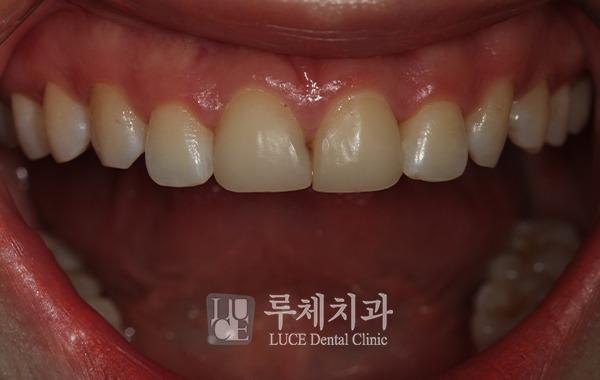
Before 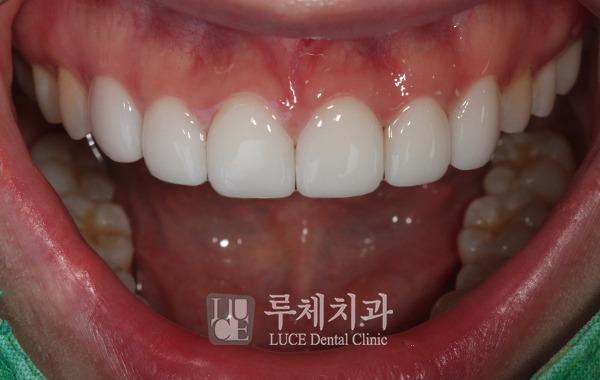
After 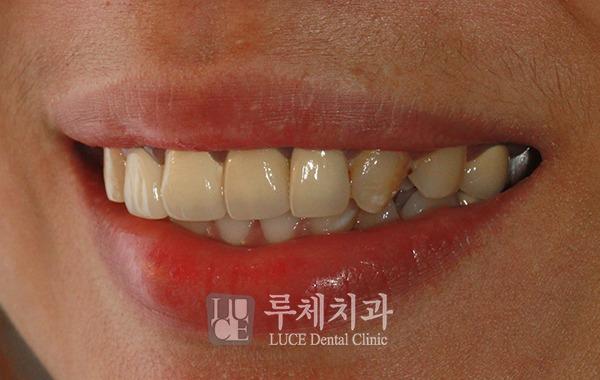
Before 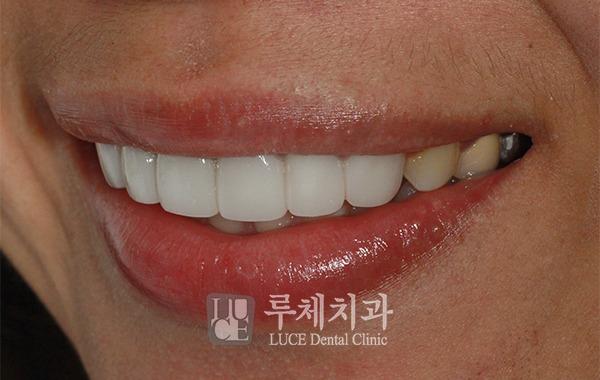
After 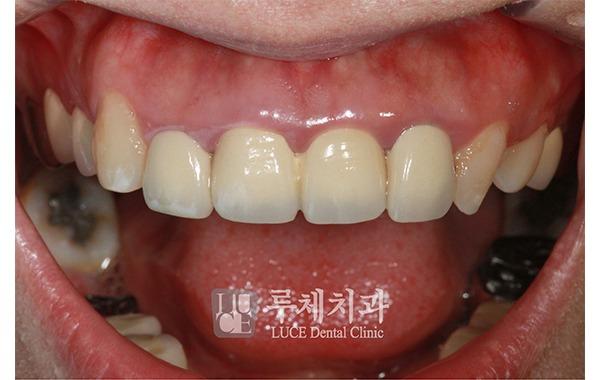
Before 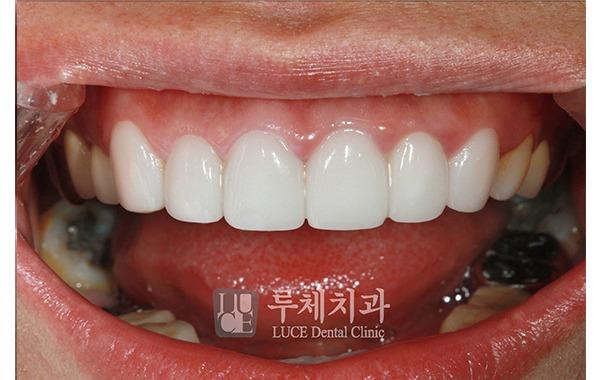
After 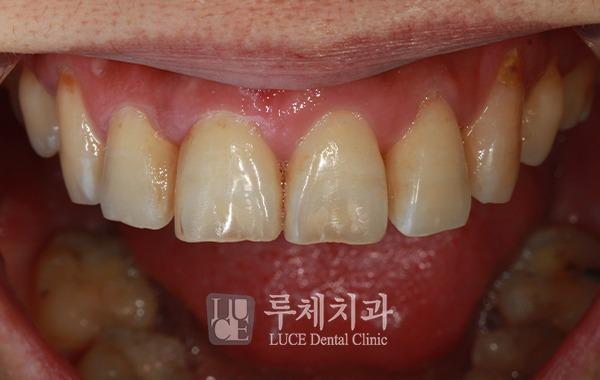
Before 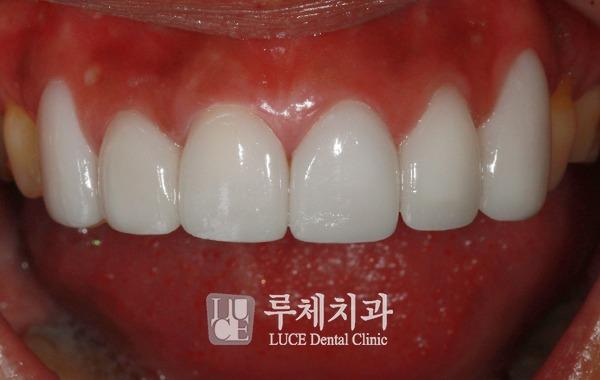
After 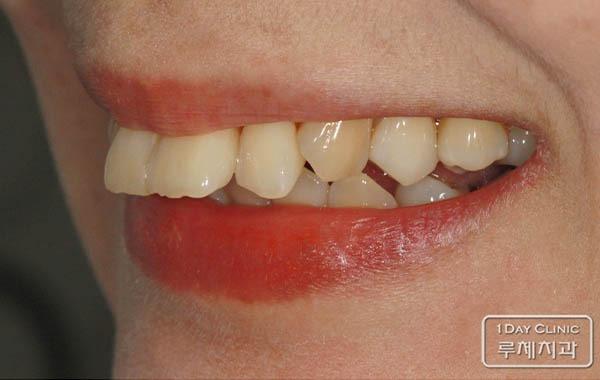
Before 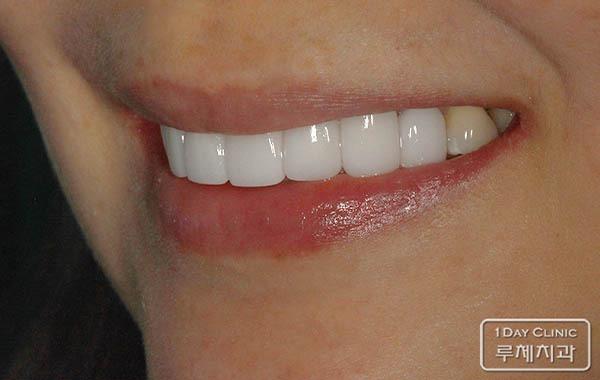
After 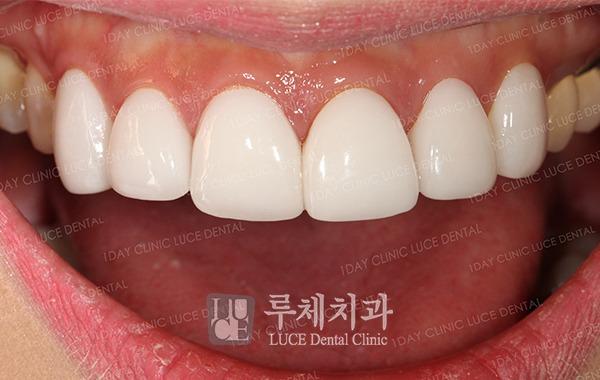
Before 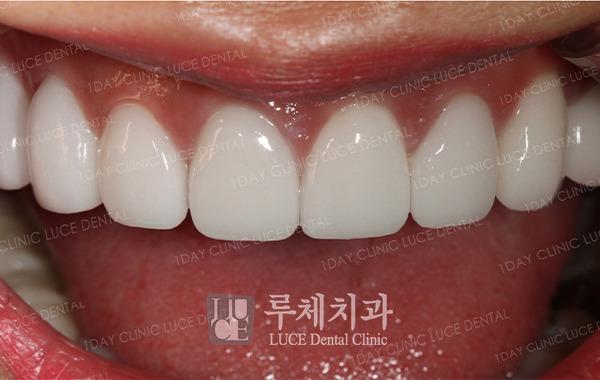
After 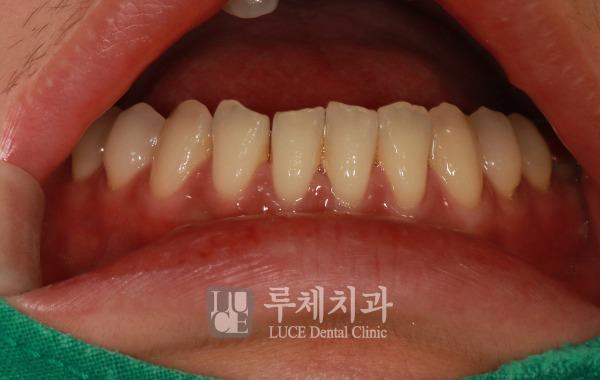
Before 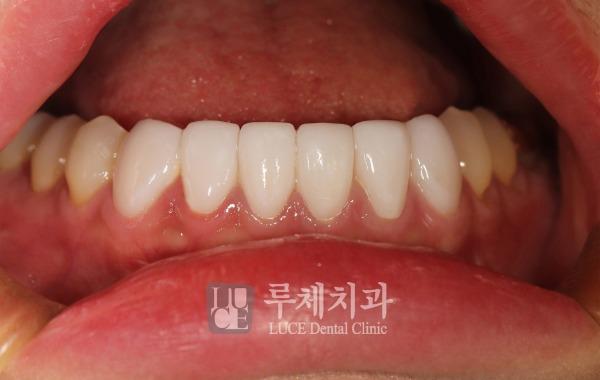
After 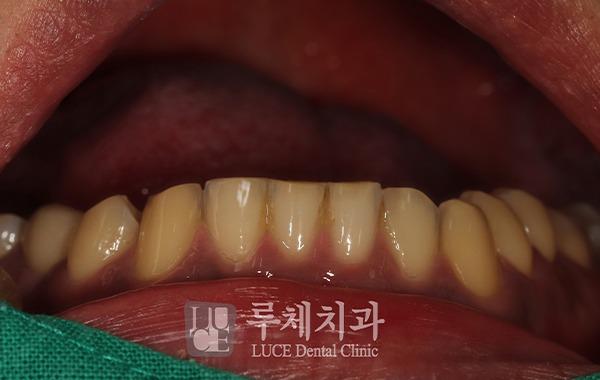
Before 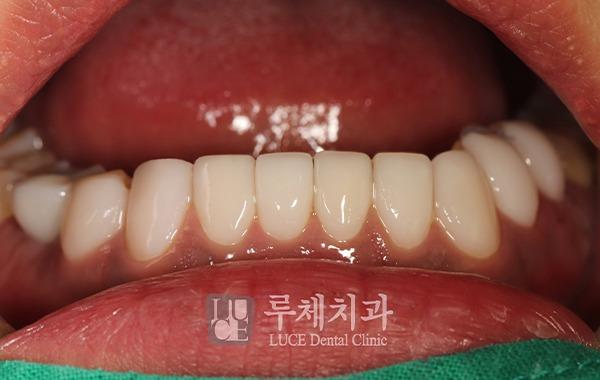
After 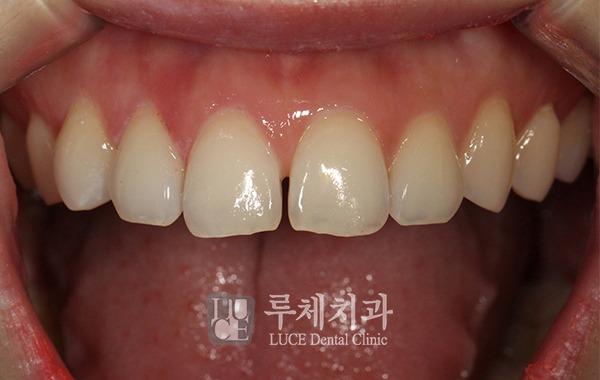
Before 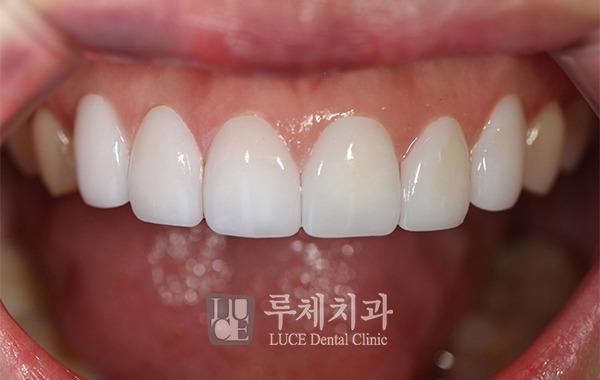
After 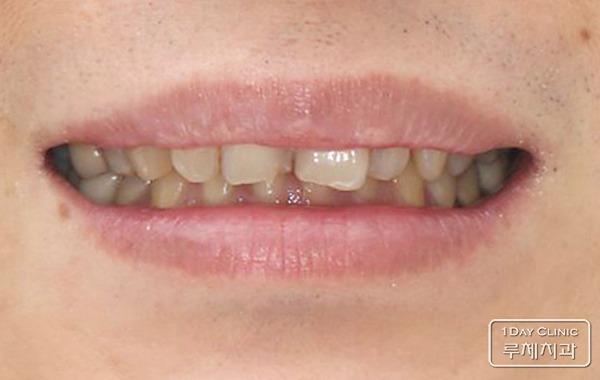
Before 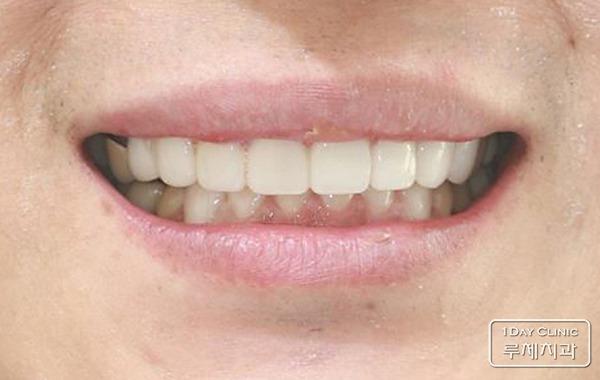
After 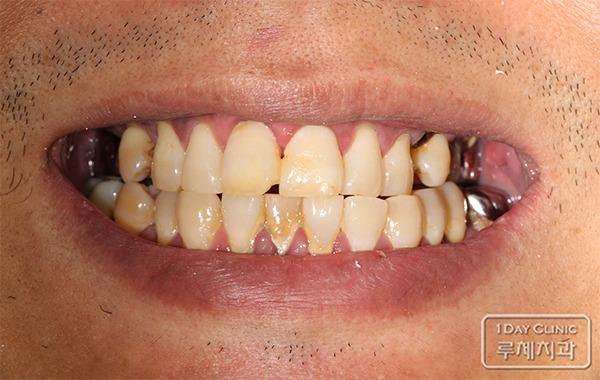
Before 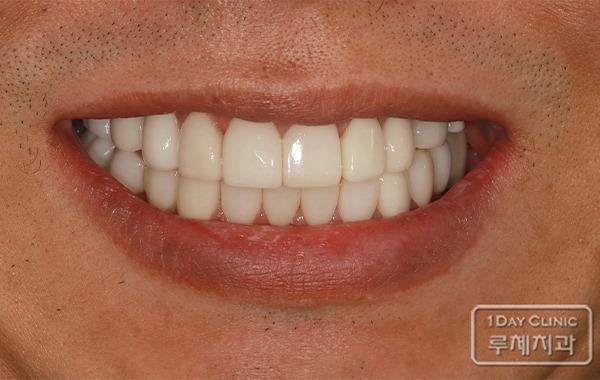
After 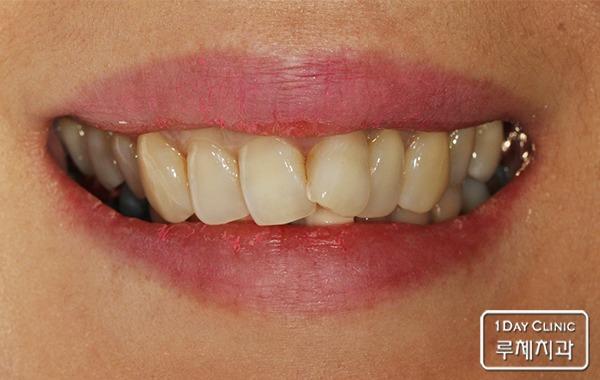
Before 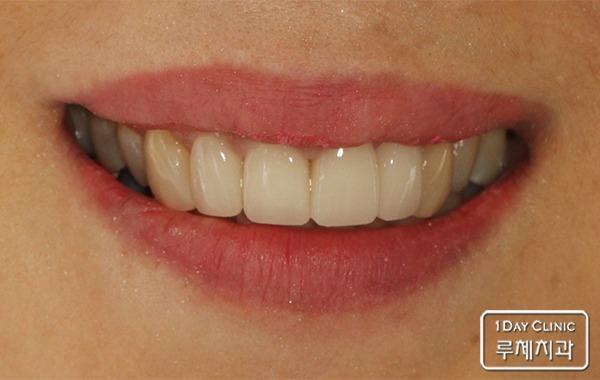
After