

SEDATION DENTISTRY
No Fear,Just Care
Calm, comfortable treatment that quiets the fear and keeps your natural teeth healthy.
FILLINGS & ROOT CANALS
Fillings and Root Canals Under Sedation
Dental fear shouldn't be the reason you put off treatment.
Sedation can help you relax through the visit.
Experience matters with sedation
We have provided sedation dentistry for more than 10 years and treated over 1,200 patients.
Our lead dentist administers the IV sedation personally and monitors you in real time for the entire treatment.

Root canal treatment: saving the tooth instead of pulling it
When trauma, a crack or deep decay damages the nerve inside a tooth, it can cause intense pain or the nerve tissue can die.
Root canal treatment removes that damaged tissue, cleans the canals and seals them, aiming to control the infection and keep the tooth.
A tooth that's been extracted can't be put back. That's why we look for a way to keep your natural tooth before we consider removing it.
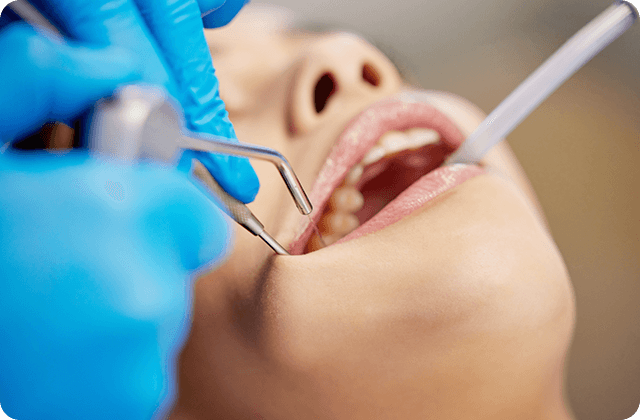
Cavity treatment under sedation
It's cavity treatment done while you're relaxed under sedation — a good fit if you have strong dental anxiety or several cavities that need attention.
The sound and vibration of the drill tend to bother you far less, and because we can work longer in one sitting, multiple teeth can often be treated in a single visit.
Many patients find it's what finally lets them get past their fear of the dentist.
Who it's for
- People with strong fear or anxiety about dental treatment
- People with a strong gag reflex, or who find it hard to keep their mouth open for long
- People with several cavities who'd like them treated in one visit
- People who've delayed a root canal because they were worried about pain
TREATMENT
How Treatment Works
Root canal therapy, step by step
- 1
Remove the decay
After numbing the tooth, we remove the decayed portion.
- 2
Clean the canals
We remove the infected nerve tissue from the root canals and disinfect them thoroughly.
- 3
Fill and seal
Once the inflammation is gone and the canals are clean, we fill them to seal the tooth.
Precision root canal equipment
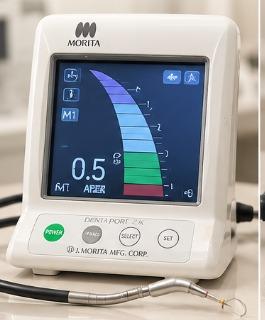
01
Measure — MORITA DentaPort ZX
An electronic apex locator from J. Morita (Japan) that measures exactly how far each canal runs, so treatment reaches the right depth.
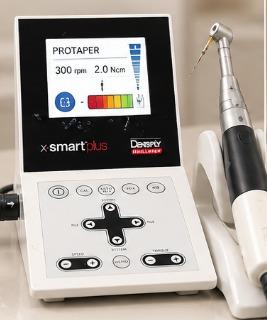
02
Shape — X-Smart Plus
A Dentsply Maillefer endodontic motor that drives nickel-titanium files to widen and shape narrow, curved canals so they can be cleaned.
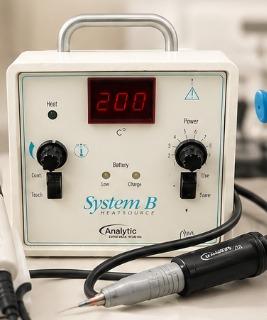
03
Down pack — System B
A heat source from SybronEndo (USA) that warms gutta-percha to a set temperature and packs it in from the root tip.
04
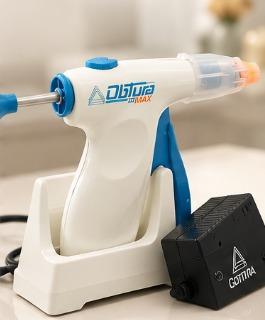
Backfill — Obtura III Max
A heated gutta-percha system (USA) that injects softened material to fill the remaining canal space without gaps.
Treatment by stage of decay
Early
- What's happening
- Decay in the enamel and outer dentin
- Typical treatment
- Tooth-colored resin filling with minimal drilling — often finished the same day
Moderate
- What's happening
- Deeper decay close to the nerve
- Typical treatment
- Inlay or onlay, often finished the same day
Advanced
- What's happening
- Decay that has reached the nerve
- Typical treatment
- Root canal treatment followed by a crown — same day or over several visits
With CEREC, we can make ceramic inlays and crowns in-house on the day of your visit.
Frequently asked questions
Q.Is IV sedation the same as general anesthesia?
No. It's conscious sedation: you keep breathing on your own and can respond when spoken to, but your anxiety and tension ease considerably.
Q.Will it hurt?
Sedation takes care of the anxiety, and pain is controlled separately with local anesthesia, so most discomfort during treatment is managed. When a tooth is badly inflamed and numbing is harder, sedation helps.
Q.Is sedation safe?
We first check through a health questionnaire that sedation is right for you, then monitor your oxygen saturation and pulse in real time throughout. We've been providing sedation care for more than 10 years.
Q.Do I need to fast beforehand?
Yes. Please don't eat for 6 hours before treatment.
Q.How many visits does a root canal take?
Usually 2–4, depending on the tooth and how much inflammation there is. Under sedation we can work longer per visit, which can reduce the number of visits — though a badly inflamed tooth may still need time between disinfection appointments.
Q.Do I need a crown after a root canal?
A tooth that's had a root canal becomes weaker and can crack, so a crown is recommended, especially on molars. With CEREC, we can make the crown in-house the same day.
BEFORE & AFTER
Cases
Actual LUCE patients. Results vary from person to person.
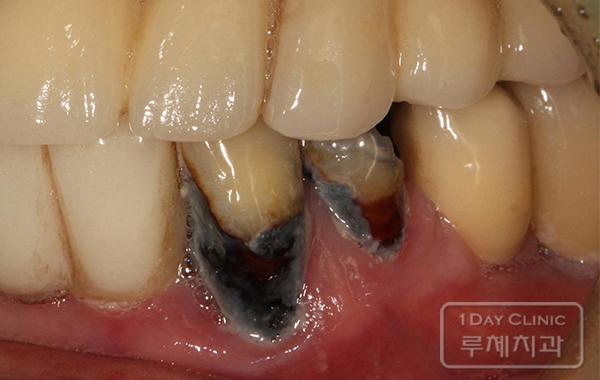
Before 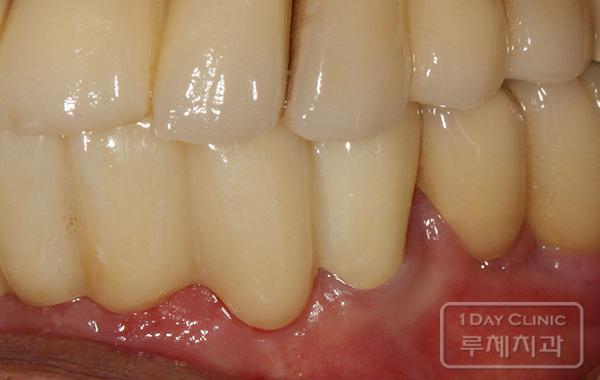
After 
Before 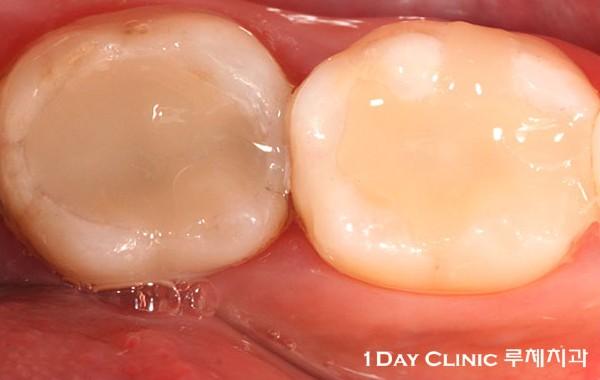
After 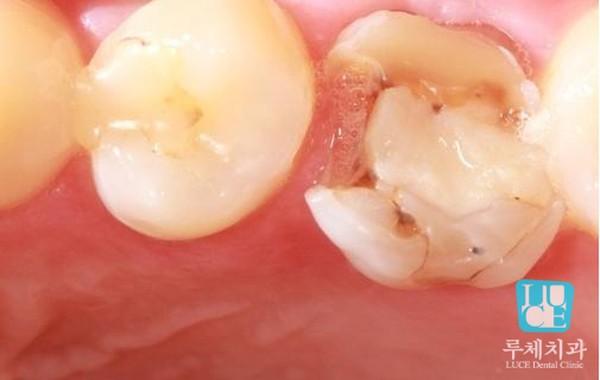
Before 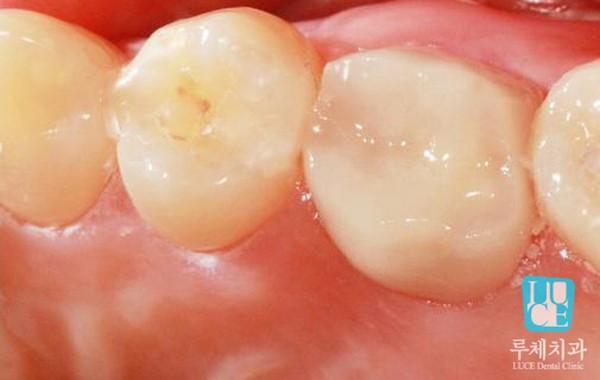
After 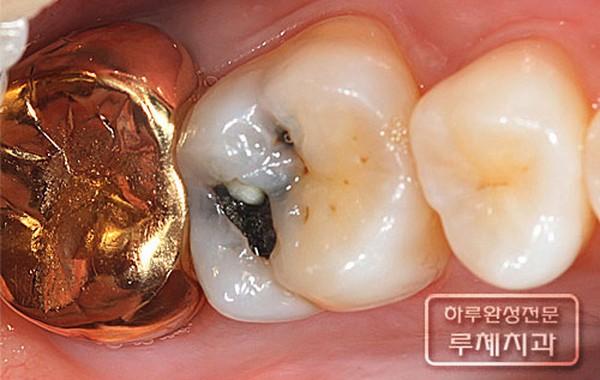
Before 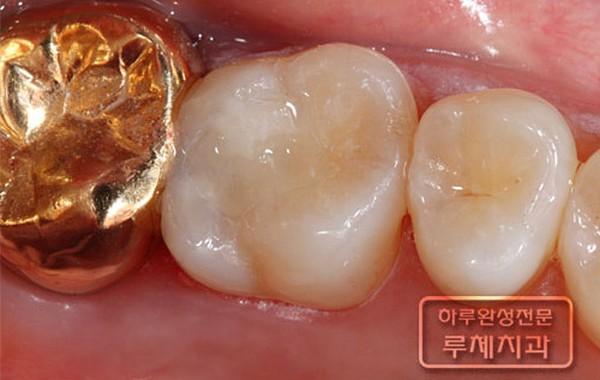
After 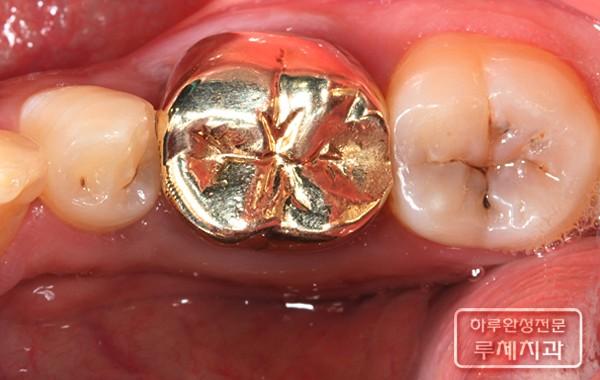
Before 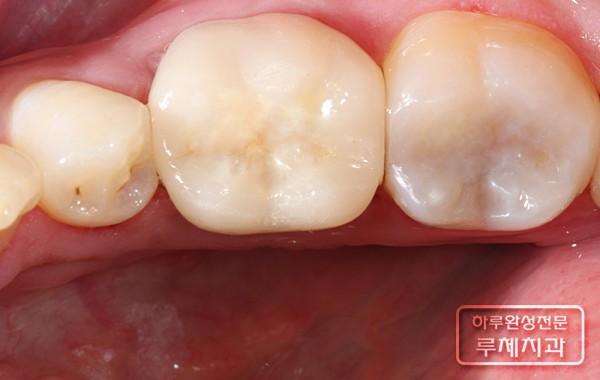
After 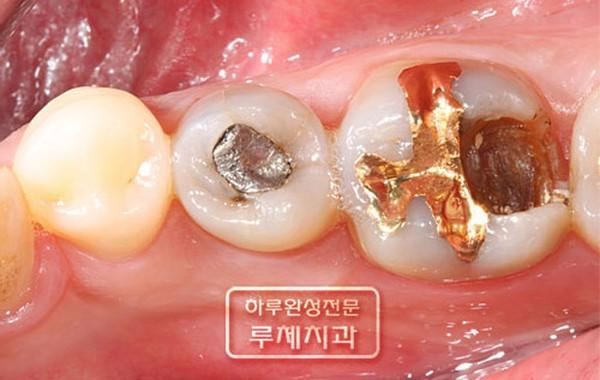
Before 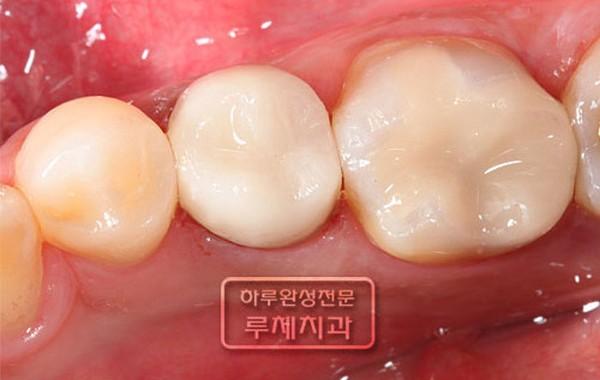
After 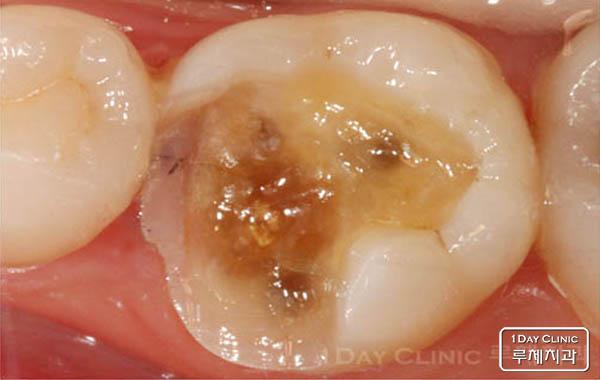
Before 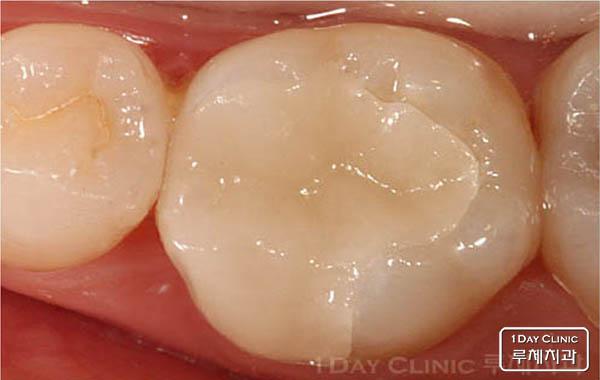
After 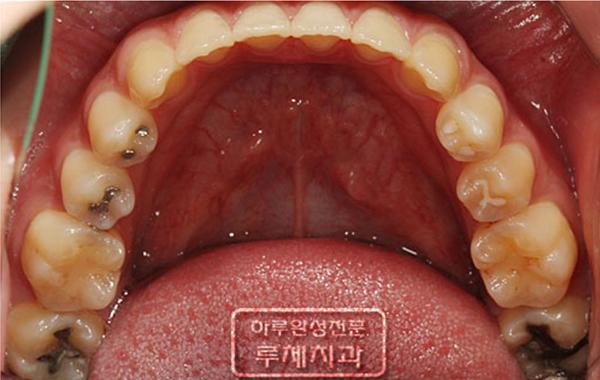
Before 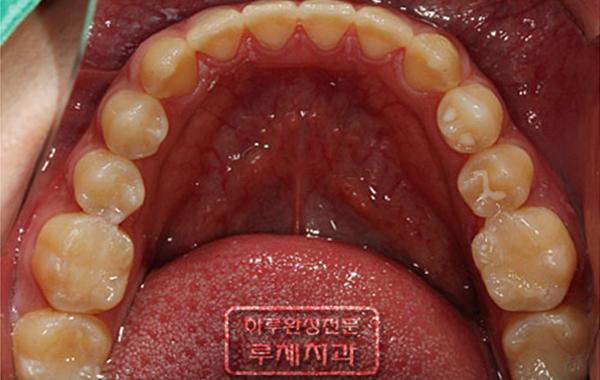
After 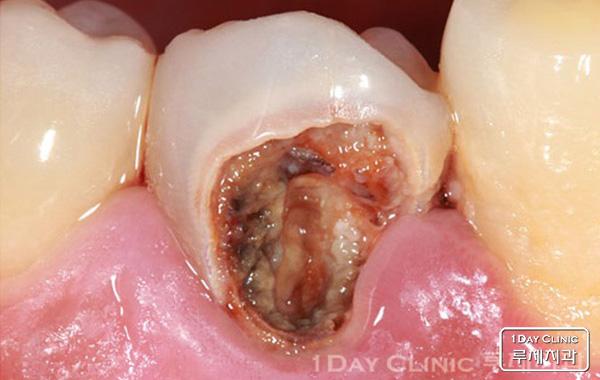
Before 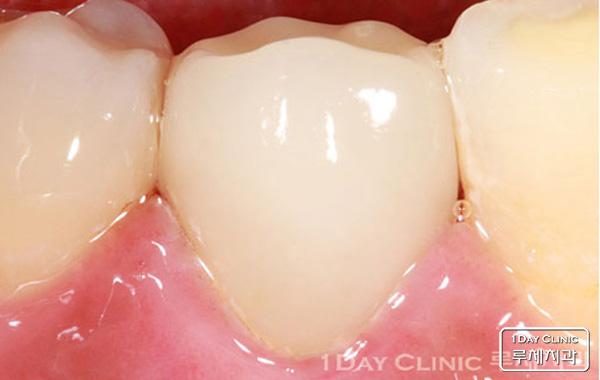
After