

DENTAL IMPLANTS
Relaxed Visit,Solid Bite
Strong teeth you can chew with for years, restored while you rest comfortably — placed personally by Dr. Lee Sang-young.
IMPLANTS WITH SEDATION
Implants Under IV Sedation
More than 10 years of sedation dentistry, with over 1,200 patients treated.

Losing a tooth is more than an inconvenience. Eating gets harder, speaking can feel awkward, and it's easy to stop smiling freely.
Many people put off implants because they're afraid of the pain or the procedure itself. To ease that worry, we offer implant surgery under IV sedation.
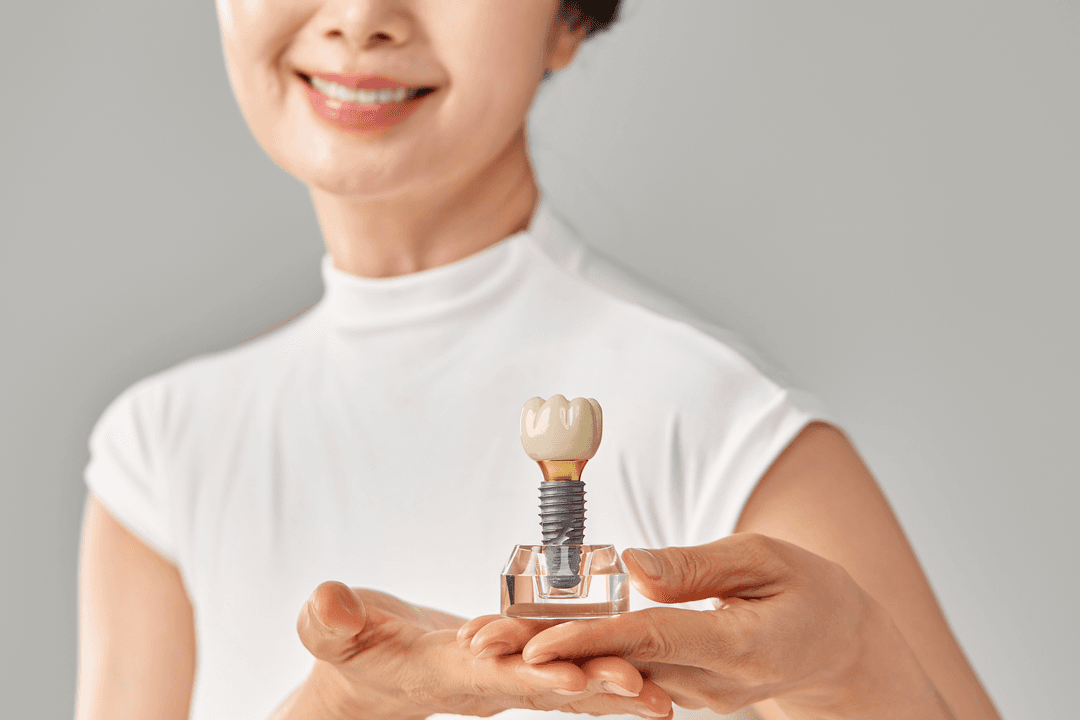
Relaxed and carefully monitored
IV sedation, often called sleep dentistry, is conscious sedation, not general anesthesia. Medication through a vein puts you in a light, drowsy state: you breathe on your own and can respond, but fear, tension and noise fade into the background.
Throughout treatment we track your oxygen saturation, blood pressure, pulse and breathing in real time. Oxygen, emergency equipment and the reversal agent flumazenil are always on hand.
We choose between midazolam, propofol and ketamine and adjust the dose based on your condition. Local anesthesia is still used to control pain.

01
Monitored
You stay lightly sedated and breathe on your own while we watch your vital signs.

02
Comfortable
Less fear, noise and tension, so treatment feels far less stressful.

03
Focused
With you relaxed and still, we can give every step our full attention.

04
Fewer visits
When your condition allows, several implants or more complex surgery can be done in one session.
A good fit if you:
- Have put off implants because dental treatment scares you
- Worry about pain during the procedure
- Have a strong gag reflex
- Find it hard to keep your mouth open for long
- Need several implants at once, or a longer procedure
TREATMENT SYSTEM
How Implant Treatment Works
- 1
Detailed diagnosis
A 3D CT scan (VATECH CBCT) and oral exam show us the condition of your teeth and jawbone.
- 2
Custom treatment plan
We use the digital data to plan exactly where and how each implant will go.
- 3
IV sedation
You're sedated so you can rest comfortably through the procedure.
- 4
Implant placement
The implant is placed precisely, with function and stability in mind.
- 5
Recovery and going home
You rest in our recovery room until you're fully alert. Please don't drive that day — come with a companion or take a taxi.
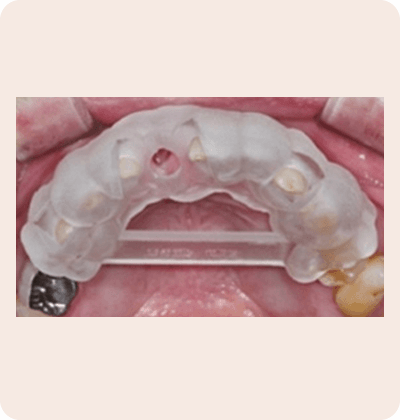
Flapless guided implant surgery
A 3D CT scan maps your bone, gums and nerves. We run a simulated surgery on the computer to find the best position, then make a surgical guide just for you.
With the guide in place, the implant is placed according to the plan — without cutting open the gums.
Because there's no incision, there's typically less pain, swelling and bleeding, a lower risk of inflammation and infection, and a quicker recovery. Placing several implants at once also takes less time.
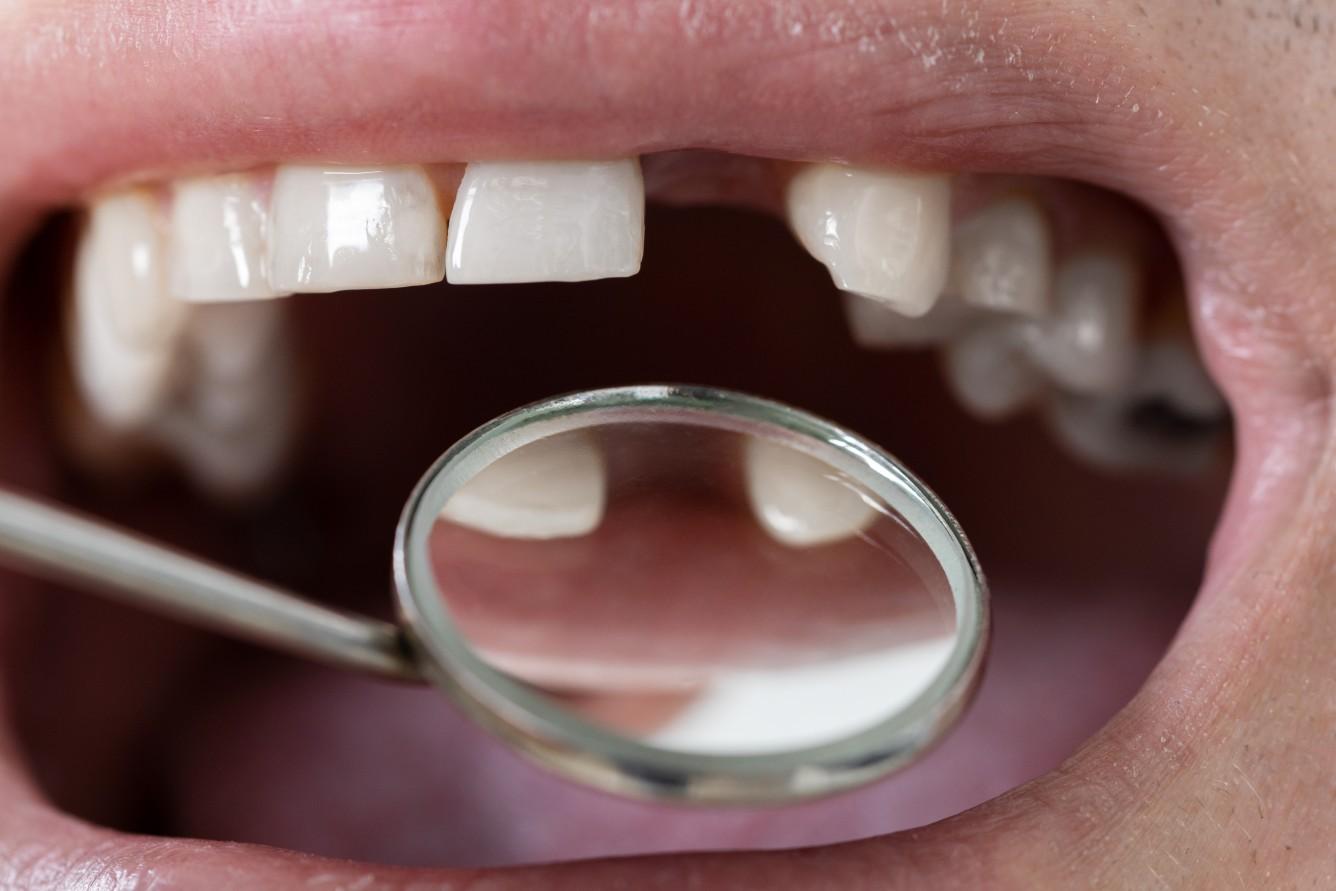
Immediate implant placement
The implant is placed right after the tooth is removed, when your gums and bone allow it.
First- and second-stage surgery are done together, which means fewer visits, less anesthesia and less bone loss after extraction. With no incision, the gums heal quickly — a good option for front teeth.
Implant FAQ
Q.Is IV sedation the same as general anesthesia?
No. It's conscious sedation: you breathe on your own and can respond when spoken to, but anxiety and tension are greatly reduced. Depending on the level of sedation, many patients remember little of the procedure.
Q.Do I still get a local anesthetic?
Yes. Sedation calms your anxiety, and local anesthesia controls pain. Using both together keeps you comfortable.
Q.Do I need to fast before surgery?
Yes. Please don't eat for 6 hours before surgery. We'll confirm the exact instructions for your type of sedation.
Q.Can older patients or people with health conditions have implants under sedation?
Often, yes — if conditions like high blood pressure or diabetes are well controlled. Please tell us about any medications and health conditions in advance.
Q.Can several implants be placed at once?
Yes, if your jawbone and overall health allow it. That means fewer visits and less strain from repeated surgery.
Q.Will I be without a tooth while it heals?
For teeth that show when you smile, we make a temporary tooth so daily life isn't disrupted.
BEFORE & AFTER
Cases
Actual LUCE patients. Results vary from person to person.
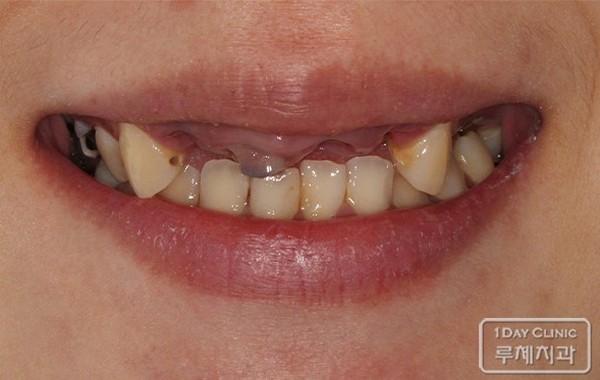
Before 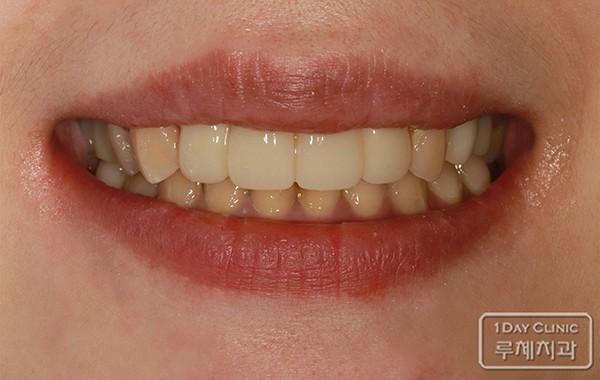
After 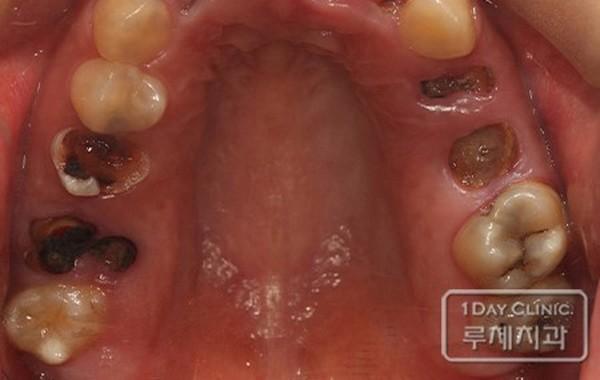
Before 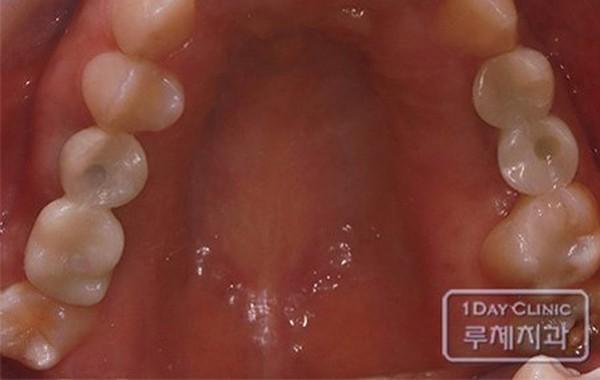
After 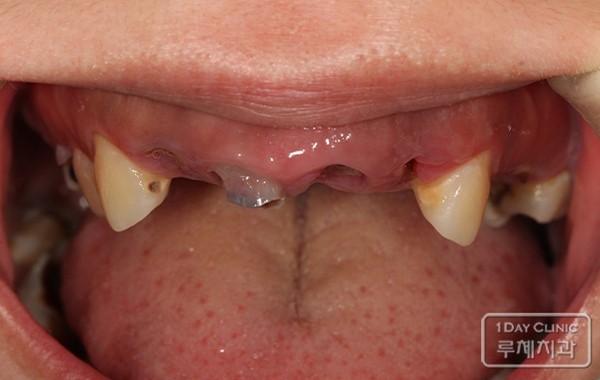
Before 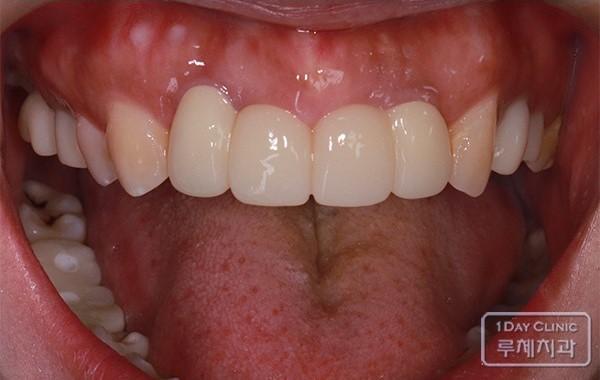
After 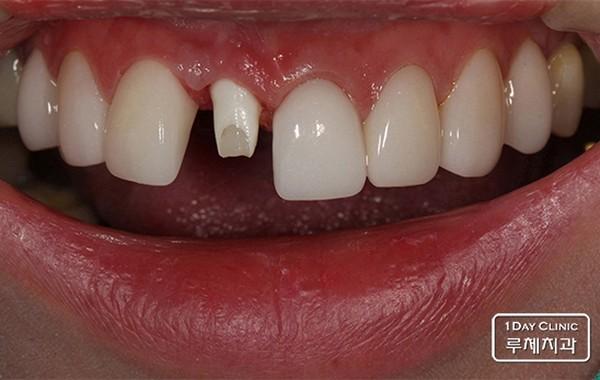
Before 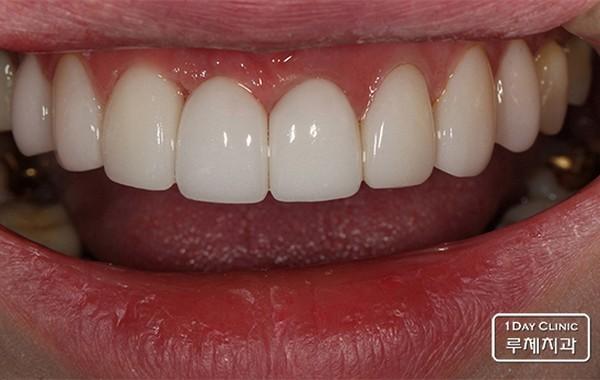
After 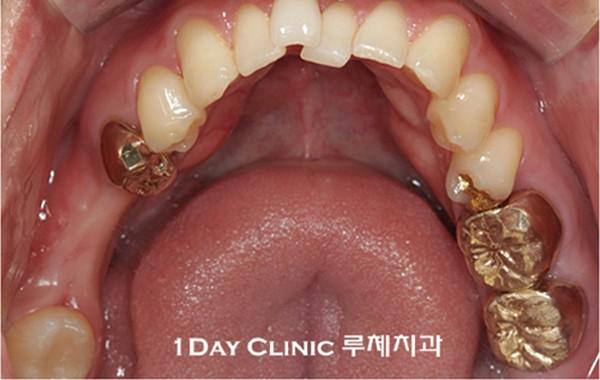
Before 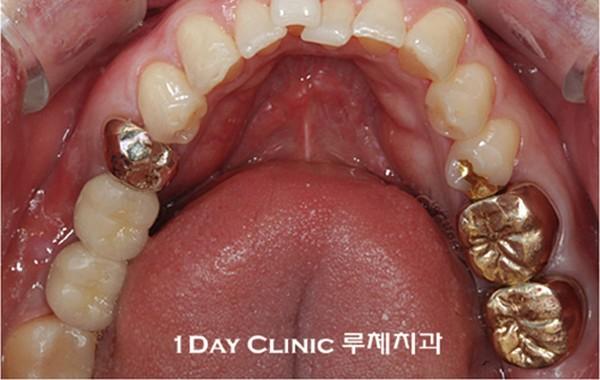
After 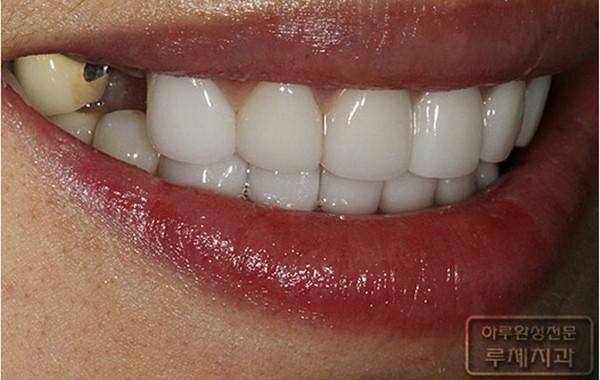
Before 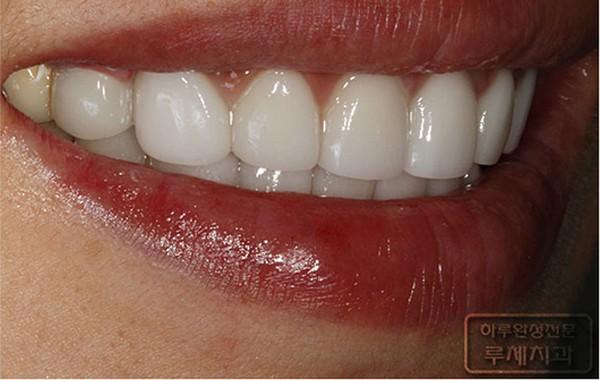
After 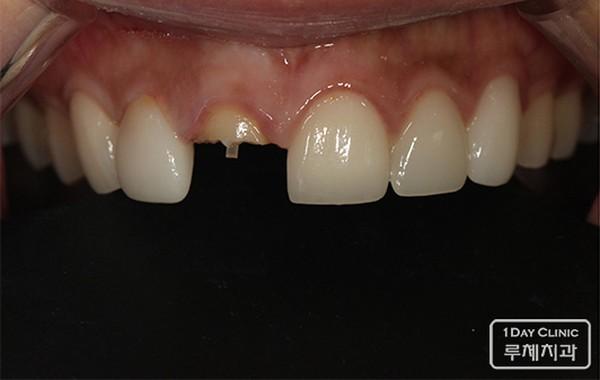
Before 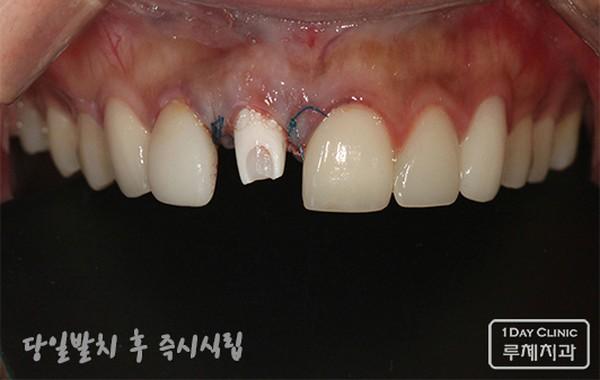
After 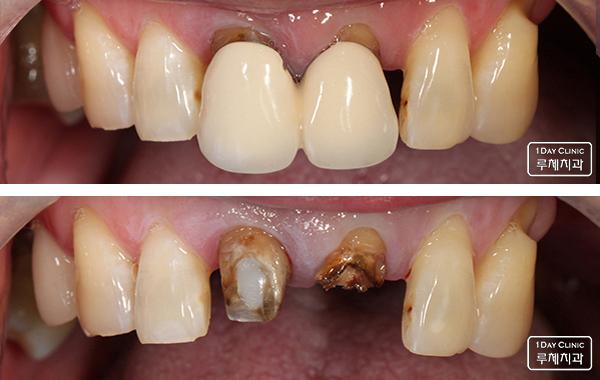
Before 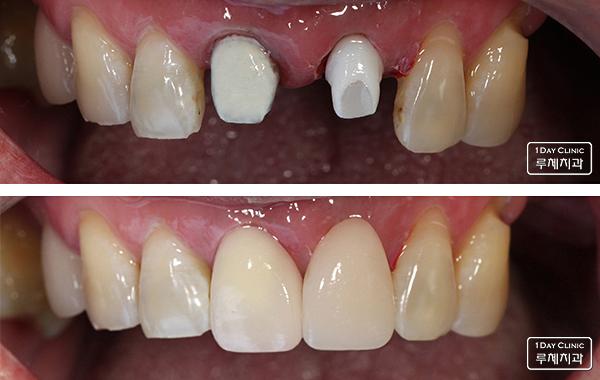
After 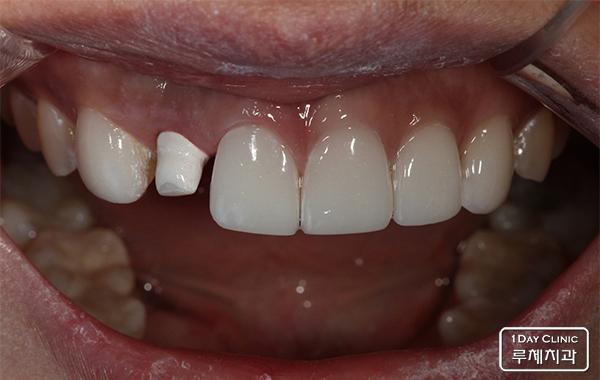
Before 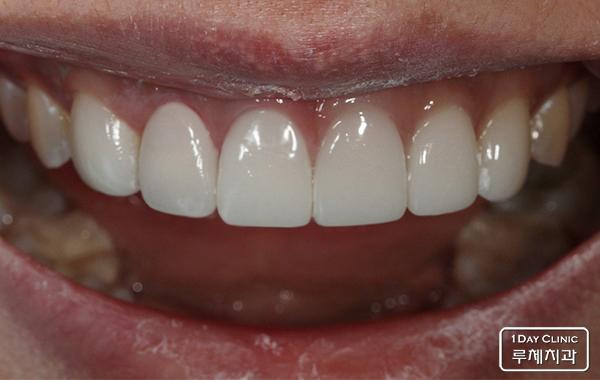
After 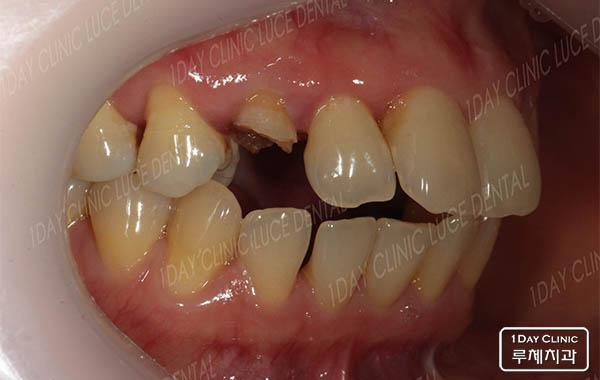
Before 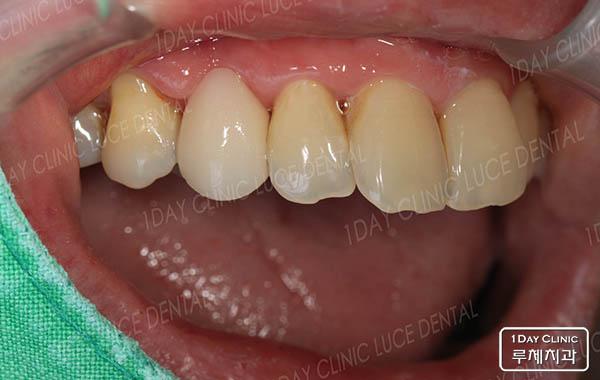
After 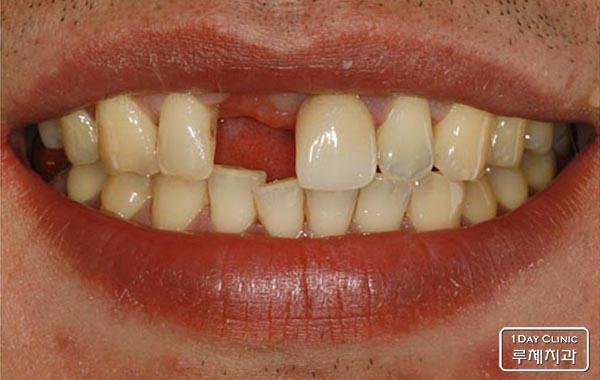
Before 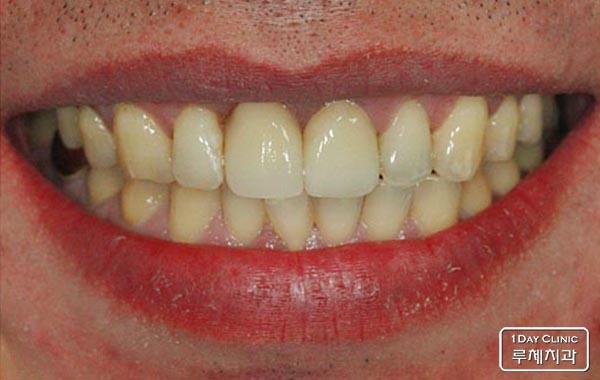
After 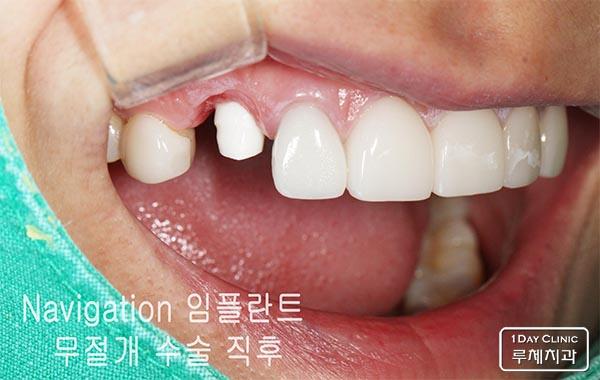
Before 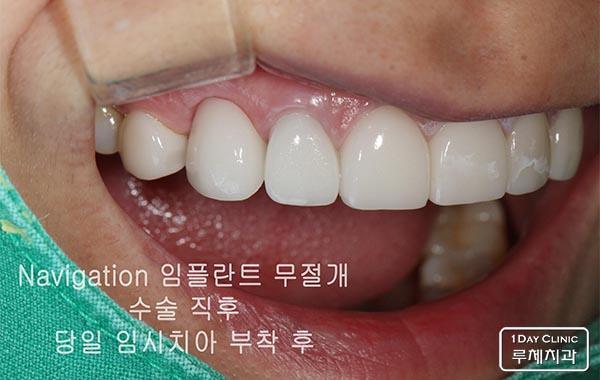
After